The Pullman Porters- Brief history
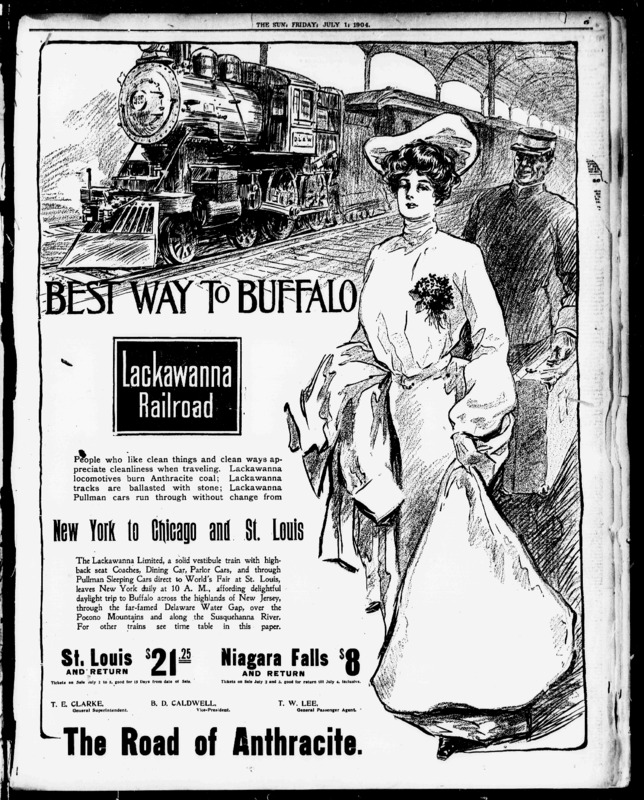
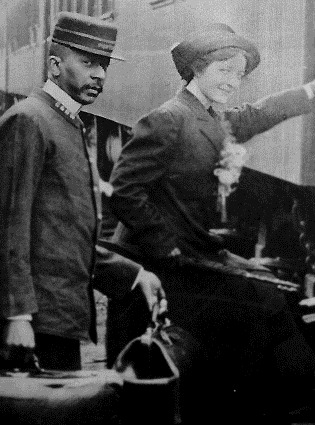
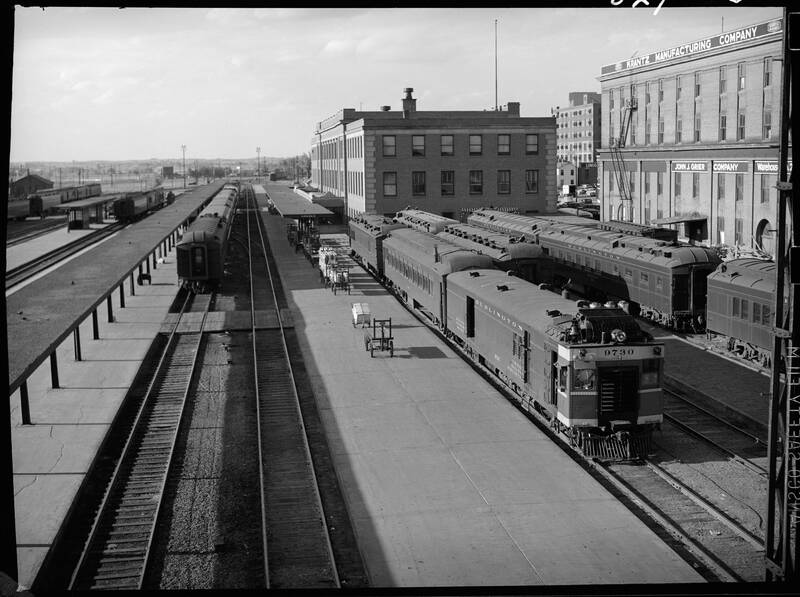
George Pullman started the Pullman Porter Palace Company just after the Civil War to provide a luxurious train for the wealthy. The Pullman Sleeping Cars were staffed initially by what Myers calls “the most genteel plantation staff” past slaves who would indulge the passengers. and take care of all their requests, just as they previously did for their slave owners. Historians speculate that Abe Lincoln may have even suggested to George that he use the freed slaves for this work, (no doubt would have helped Lincoln greatly with his freed slave employment problems) and although there is no evidence, Tye in Rising from the Rails: Pullman Porters and the Making of the Black Middle Class notes that even the porters themselves found this connection plausible and often joked that “Abe Lincoln freed the slaves and George Pullman hired ‘em”.(Tye ,2004)
Pullam’s intention to capitalize and profit from this cheap subservient, newly liberated labor force is undisputable The porter was indeed
“ …an ex-slave, who embodied servility more than humanity, an ever-obliging manservant with an every-present smile who was there when a jacket needed dusting or a child tenting or a beverage refreshing. …In his very anonymity lay his value”. (Tye, Larry. 2004.)
By the 20’s, according to Tye, nearly 40 million passengers rode the trains during this, their busiest year and consequently, the company employed more African American than any other US corporation. During the 20’s and 30’s African American men, due to persistent racial discrimination, even when educated, were still unable to find jobs in the North, that were commensurate to their qualifications, and worked as laborers, electricians, cooks, barbers, and porters in the hotels or on the trains. The Pullman Porters were highly respected in the community as the educated black working class, and in some cities, they gradually rose to create a black middle class. In addition to supporting their families, these jobs gave young men the only opportunity they had to travel cheaply across the country.
Sources
Tye, Larry. 2004. Rising from the Rails: Pullman Porters and the Making of the Black Middle Class. Henry Holt & Co. New York.
Interesting Sites
National A. Phillip Randolph Pullman Porter Museum. < https://aprpullmanportermuseum.org/about-museum/union-history/3/ >
The Historic Pullman Foundation. <http://www.pullmanil.org/>
Newberry Library. Pullman Porters Collections <https://www.newberry.org/search/site/Pullman%20POrters>